
Enzyme Substrates
A Palette of Colors for Visualizing Target Antigens
Achieve Crisp, Precise, and Sensitive Staining with High-Performance Chromogenic Substrates
Chromogenic enzyme substrates play a crucial role in immunodetection applications, allowing researchers to visualize target antigens with precise colorimetric staining. Chromogenic substrates generate visible color upon reaction with enzyme detection reagents, enabling precise localization of target antigens. This makes enzyme substrates fundamental to immunohistochemistry (IHC) and related techniques, such as blotting applications, ELISA, ELISpot, and in situ hybridization (ISH).
Vector Laboratories is an industry leader in developing and manufacturing high-performing chromogenic substrates that provide superior sensitivity and reliability. Vector offers high-performing versions of substrates like DAB, while also expanding the landscape of chromogenic detection with a portfolio of novel, proprietary substrates. All Vector enzyme substrates are designed to meet the needs of diverse research applications and are optimized for sensitivity, signal clarity, reproducibility, and ease of use.
Comparison of Enzyme Substrate Characteristics
Vector Laboratories provides a wide range of enzyme substrates with diverse performance characteristics, allowing researchers to select the best substrate for their applications. With options that span chemistry, microscopy techniques, mounting media compatibility, multiplex capability, and heat resistance, there is a Vector enzyme substrate for every experimental design. The table below provides the characteristics of our enzyme substrate offerings to help you determine the optimal substrate for your application.
|
Substrate |
Color |
Catalog Number |
Microscopy |
Mounting |
Contrast in Pigmented Tissue |
Multiple Labeling |
Heat Resistant* |
|||||
|
Brightfield |
Darkfield |
Electron |
Fluo- |
Spectral Imaging |
||||||||
|
Peroxidase |
||||||||||||
|
DAB |
|
Brown |
|
|
|
|
Non-aqueous |
|
|
|||
|
DAB+Ni |
|
Gray-Black |
|
|
|
|
Non-aqueous |
|
||||
|
ImmPACT DAB |
|
Brown |
|
|
|
|
Non-aqueous |
|
|
|||
|
ImmPACT DAB EqV |
|
Brown |
|
|
|
|
Non-aqueous |
|
|
|||
|
Vector VIP |
|
Purple |
|
|
|
|
Non-aqueous |
|
|
|||
|
ImmPACT VIP |
|
Purple |
|
|
|
|
Non-aqueous |
|
|
|||
|
Vector SG |
|
Blue-Gray |
|
|
|
|
Non-aqueous |
|
|
|||
|
ImmPACT SG |
|
Blue-Gray |
|
|
|
|
Non-aqueous |
|
|
|||
|
Vector NovaRED |
|
Red |
|
|
|
|
Non-aqueous |
|
|
|||
|
ImmPACT NovaRED |
|
Red |
|
|
|
|
Non-aqueous |
|
|
|||
|
AEC |
|
Red |
|
|
Aqueous |
|
|
|||||
|
ImmPACT AEC |
|
Red |
|
|
Aqueous |
|
|
|||||
|
ImmPACT AMEC Red |
|
Red |
|
|
Aqueous |
|
|
|||||
|
TMB |
|
Blue |
|
|
Non-aqueous |
|||||||
|
Alkaline Phosphatase |
||||||||||||
|
Vector Red |
|
Magenta |
|
|
|
Non-aqueous |
|
|
|
|||
|
ImmPACT Vector Red |
|
Magenta |
|
|
|
Non-aqueous |
|
|
|
|||
|
Vector Blue |
|
Blue |
|
|
|
Non-aqueous |
|
|
|
|||
|
Vector Black |
|
Brown-Black |
|
Non-aqueous |
||||||||
|
BCIP / NBT |
|
Indigo |
|
|
|
Non-aqueous |
|
|
||||


Are you selecting the best substrate for your Assay?
Vector’s Substrates Provide Solutions for Workflow Requirements
Selecting the appropriate enzyme substrate is crucial for successful immunodetection. Key factors to consider include:
| Factor | Importance | How Vector Laboratories Delivers |
|---|---|---|
| Enzyme Compatibility | To create a chromogenic reaction, the substrate must match the detection enzyme (HRP or AP). | Vector offers a full portfolio of HRP and AP substrates for flexibility in detection. |
| Sensitivity | Higher sensitivity allows detection of low-abundance targets and often enables dilution of primary antibody reagents. | ImmPACT® substrates provide maximum sensitivity, reducing primary antibody consumption and cost per test. |
| Color Contrast | High contrast enhances antigen visibility and prevents misinterpretation. | Vector provides a wide range of colors to optimize contrast for various sample types. |
| Precipitate Appearance | The appearance of precipitates in different substrates impacts clarity and localization of staining. | HRP substrates form sharp, dense precipitates; AP substrates provide diffuse, translucent staining for broader expression analysis. |
| Workflow Stability | Stable working solutions minimize variability and improve automation compatibility. | Most ImmPACT® substrates’ working solutions remain stable for 14 days ensuring convenience and consistent performance in automated workflows. |
| Ease of Use | Fewer preparation steps simplify workflows and prevent potential variability. | All Vector substrates come in ready-to-use liquid formats, eliminating the need for powders or tablets. |
| Multiplexing Capability | Multiplexing allows for labeling of multiple antigens with distinct colors. | Vector’s broad color options support multiplex IHC for clear differentiation of targets. |
| Heat Resistance | Workflows requiring post-staining heating, such as ISH, must employ heat resistant reagents. | Several Vector substrates are heat-resistant making them ideal for workflows requiring a heating step. |
| Mounting Media Compatibility | Mounting media application preserves precipitate intensity, color, and clarity over time. | Vector offers substrates compatible with both aqueous and non-aqueous mounting media. |
| Visualization Methods | Compatibility across different microscopy techniques provides experimental flexibility. | Vector’s substrates are compatible with many different visualization methods. |
Not all chromogenic substrates have equivalent sensitivity
While chromogenic detection methods follow the same basic principle, not every enzyme substrate offers the same sensitivity. For targets with low abundance, higher sensitivity enzyme substrates enhance signal detection. The table below shows the relative sensitivities of Vector enzyme substrates.
Chromogenic Substrate Sensitivity
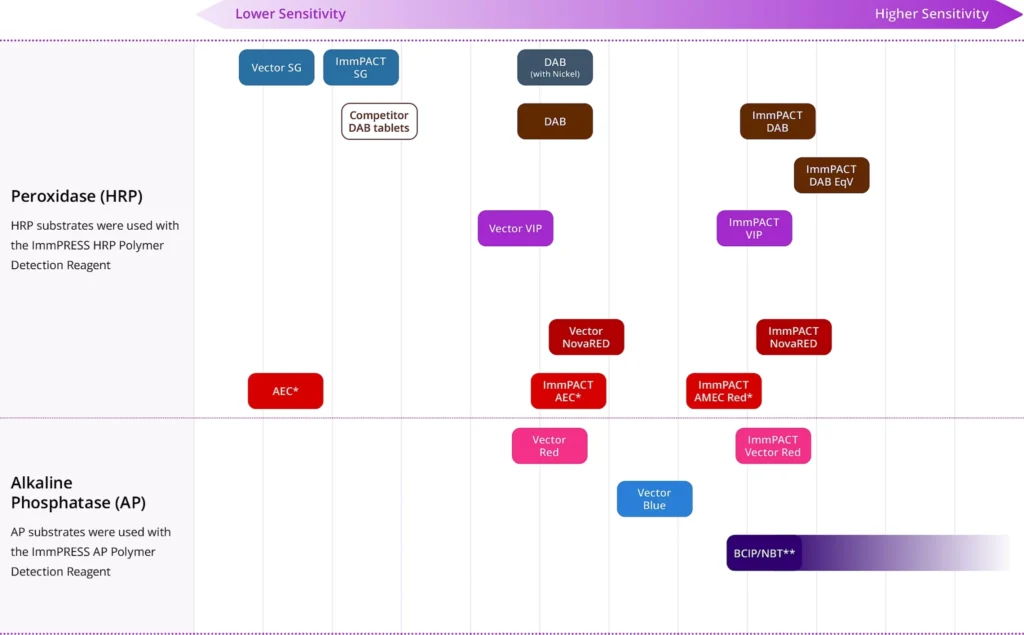
* AEC & AMEC substrates must be aqueously mounted ** Longer incubation times increase sensitivity
Vector enzyme substrates demonstrate a range of sensitivities. This table compares the sensitivity of Vector enzyme substrates, including DAB substrates with enhanced sensitivity over competitor DAB tablets.
Not all DAB substrates are created equal
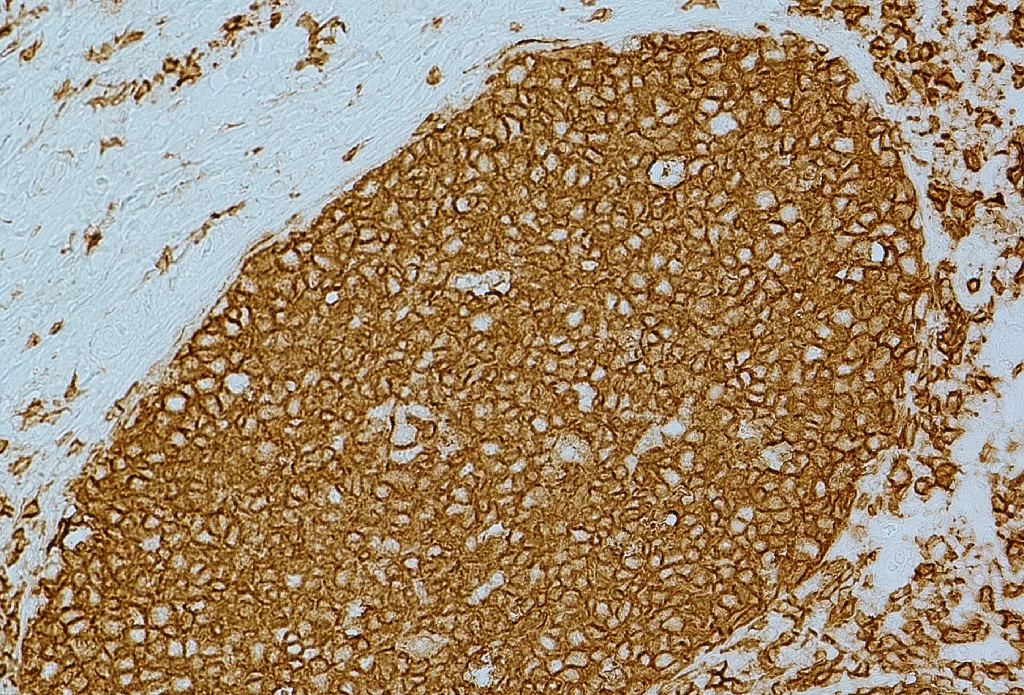
Vector’s ImmPACT® DAB provides superior sensitivity in side-by-side comparisons with competitor products. Greater signal intensity enables the visualization of low abundance targets and can often lead to a reduction in primary antibody concentrations, lowering the cost per test.
DAB (HRP) Substrate Sensitivity Comparison
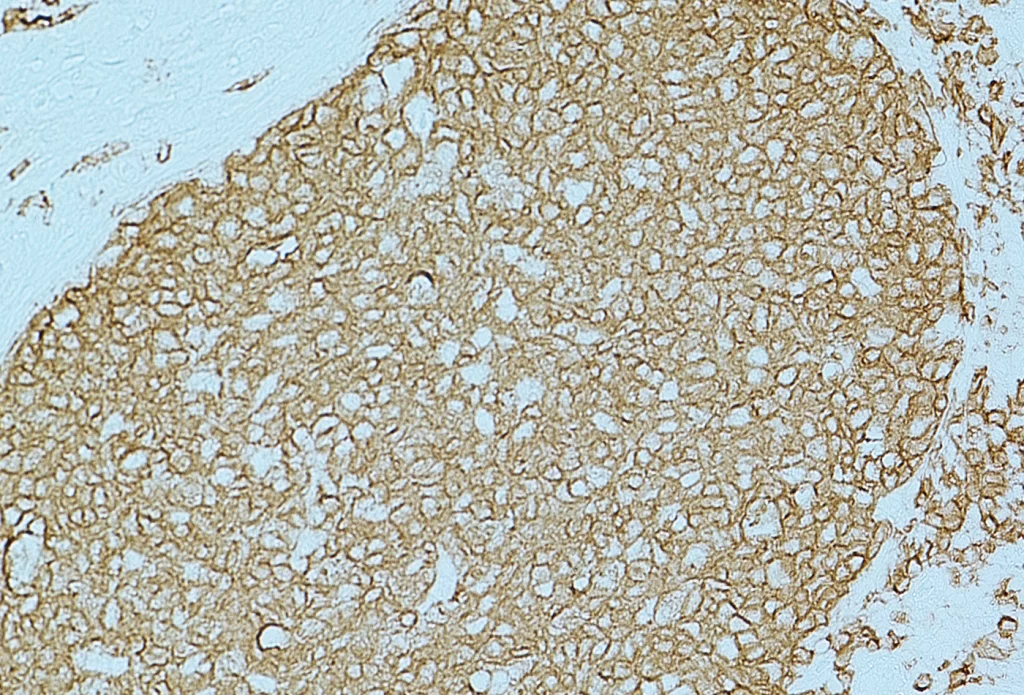
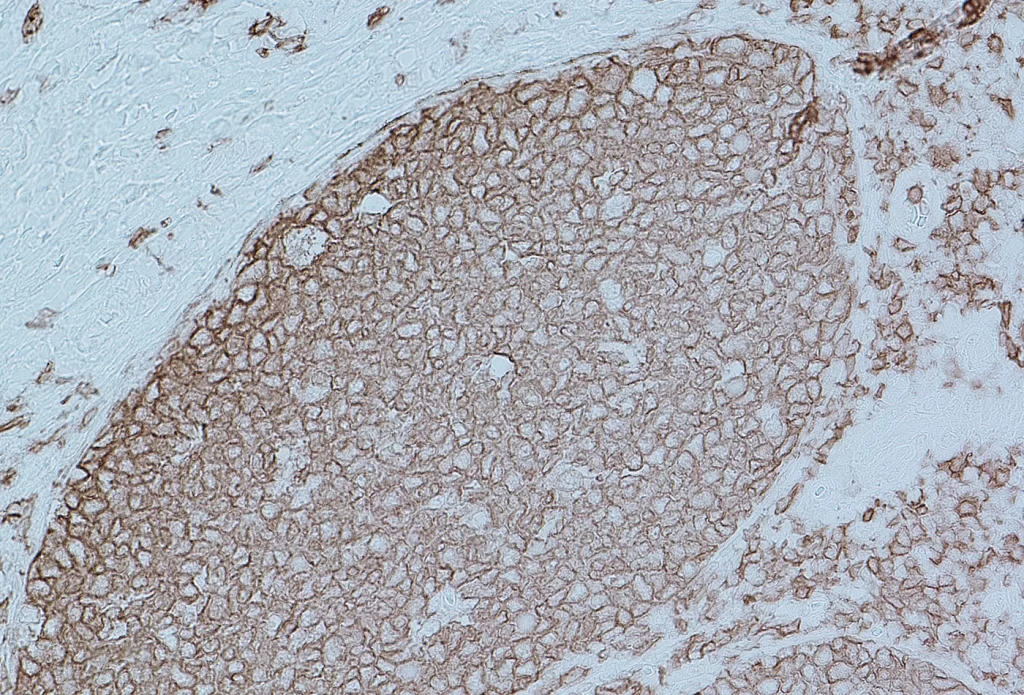
Human tonsil (FFPE serial sections): Stained for CD20 (1:300 dilution), detected with ImmPRESS-HRP Anti-Mouse IgG (MP-7402). The only reagent variable was the DAB substrate used for color development.
ImmPACT DAB
Company B
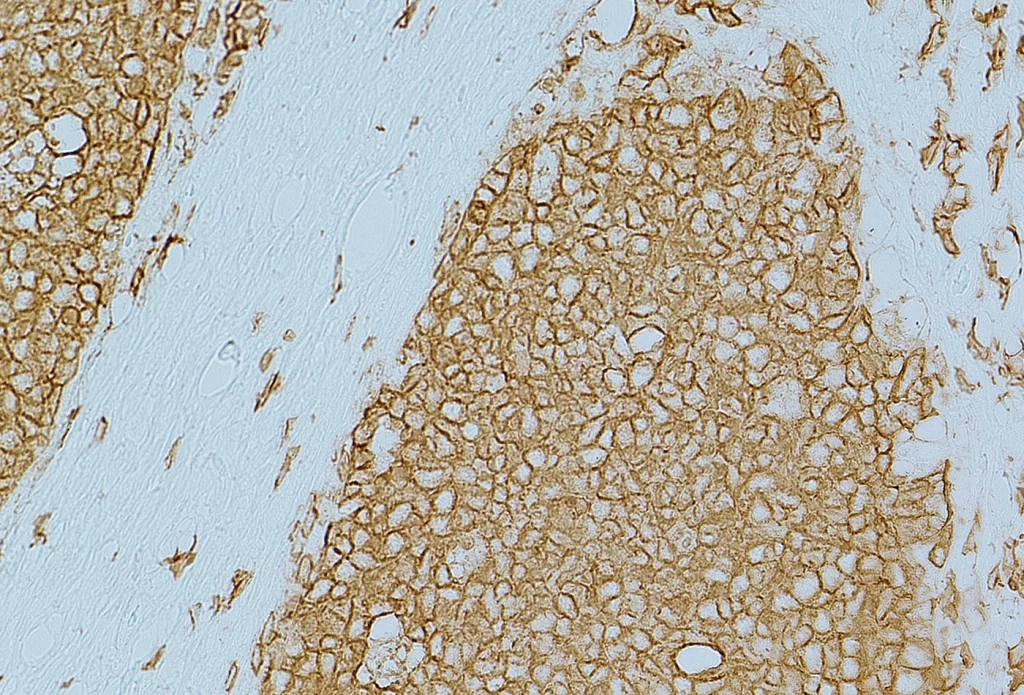
Company D
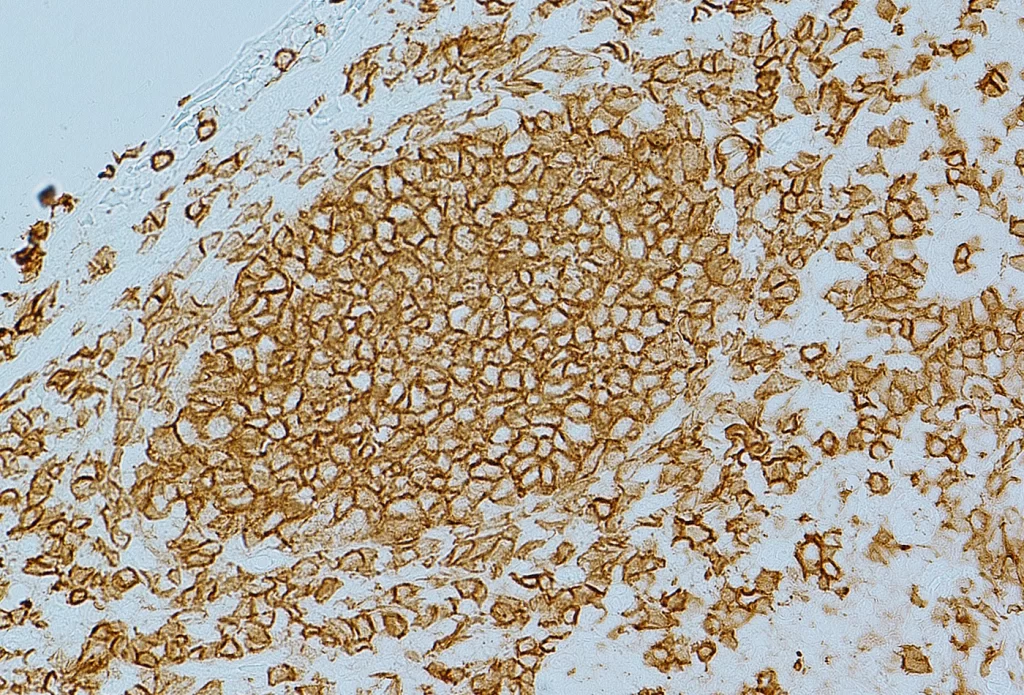
Company E
Company P
Company S
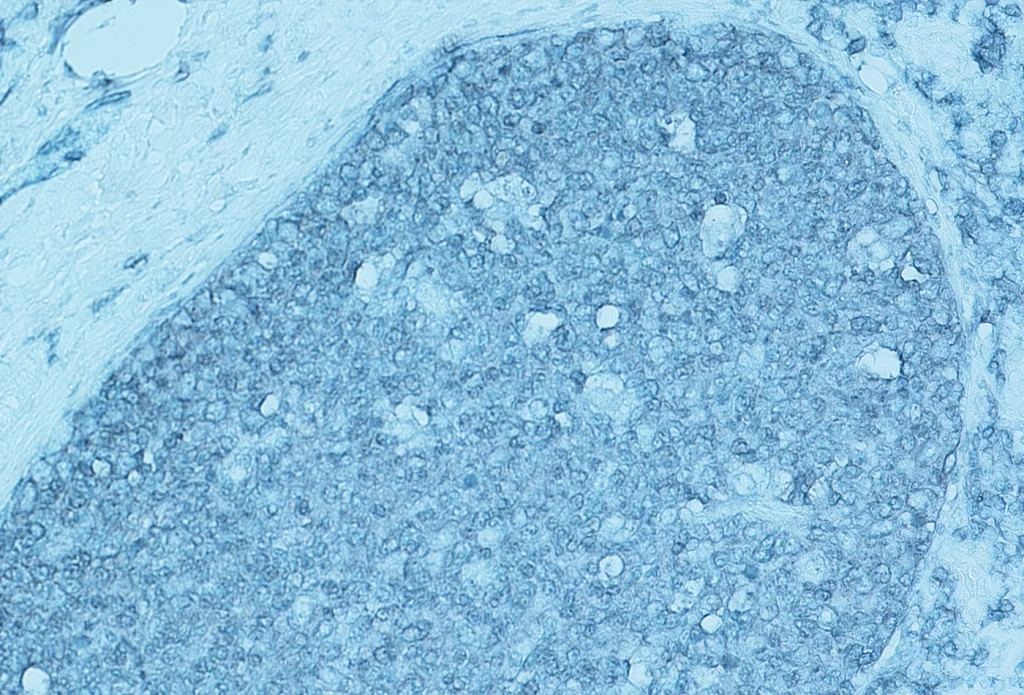
Overall Results: In parallel assays on serial sections from the same tissue block with only the DAB substrate being substituted, Vector ImmPACT DAB appeared to generate the most robust, crisp staining (highest sensitivity) without appreciable background compared with DAB from the other sources.
ImmPACT DAB
Primary antibody dilution: 1:50
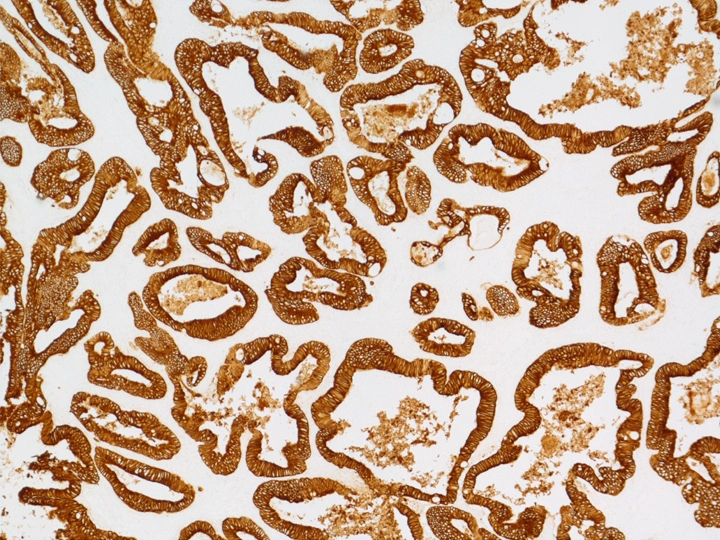
1:100
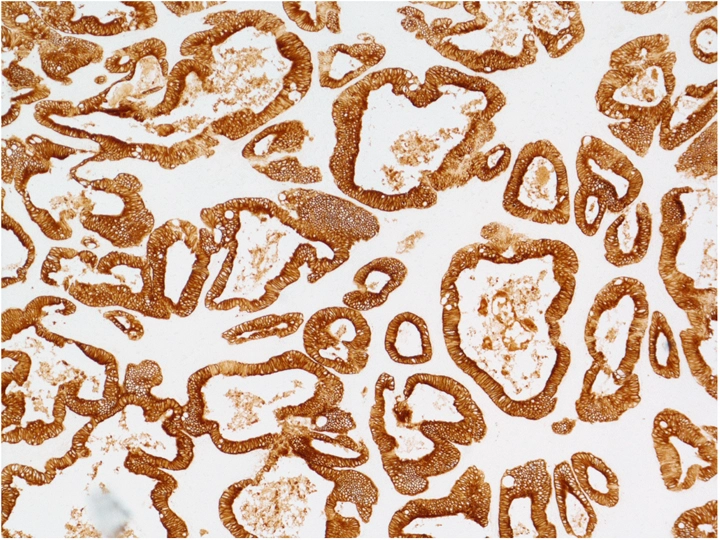
1:400
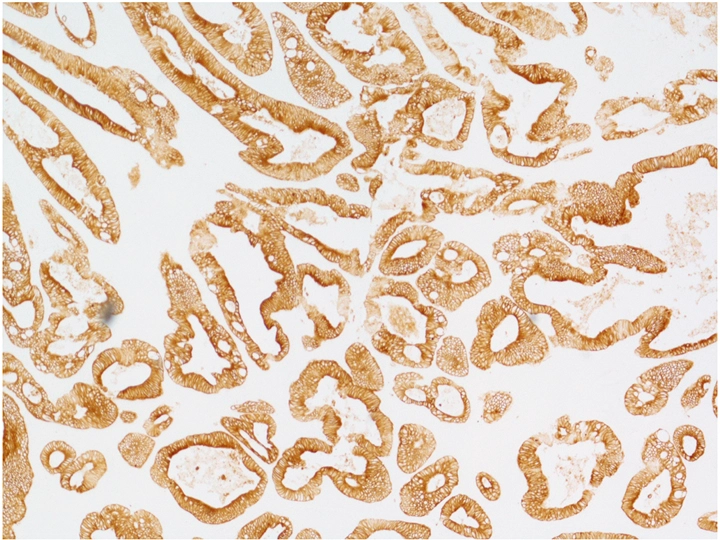
Company S
Primary antibody dilution: 1:50
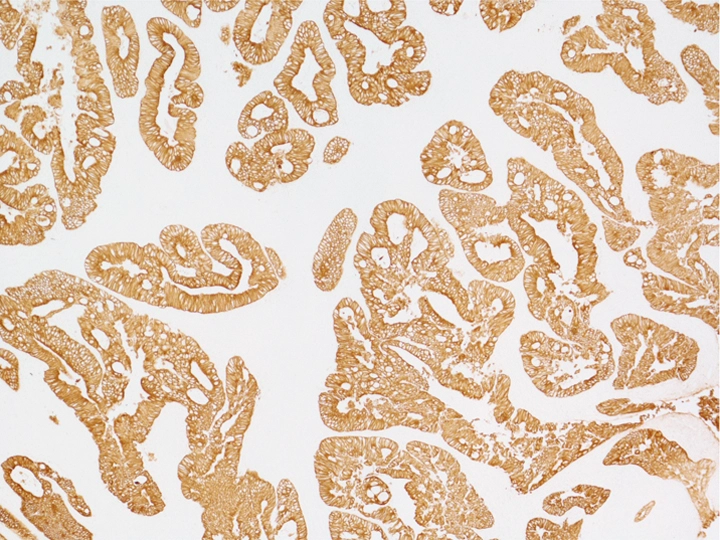
1:100
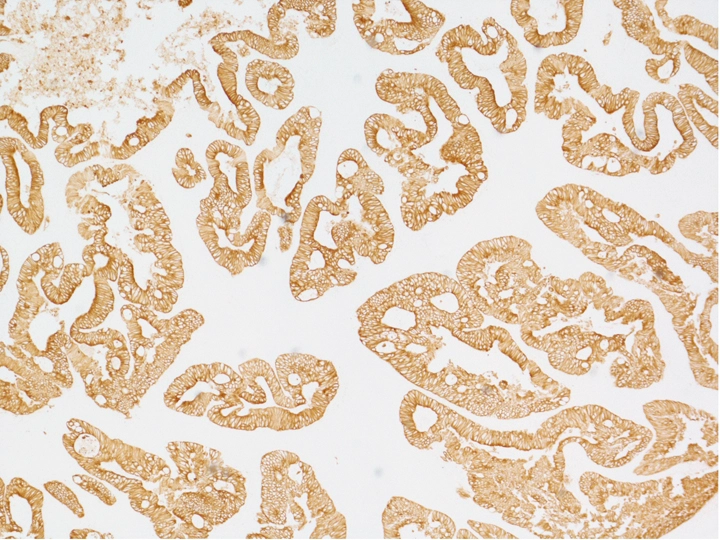
1:400
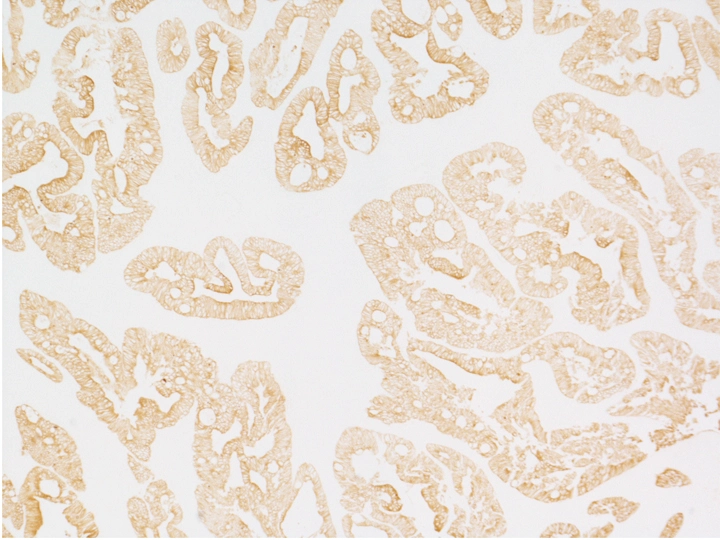
Comparison of IHC signal using Vector’s ImmPACT DAB and DAB from competitor Company S at various antibody concentrations. ImmPACT DAB demonstrates greater sensitivity and more intense signal at every concentration when compared to the other DAB.
Why Choose Vector Laboratories for Chromogenic Substrates?

Scalable Manufacturing
Ensures batch-to-batch consistency for reliable reagent performance.

Robust QC Testing
Each batch undergoes rigorous quality control for reproducible results.

Proven Stability
Long shelf life and stable performance reduce experimental variability.
Industry Benchmarked
Recognized as a gold standard in IHC workflows, offering superior results.
ISO 9001-Certified
Demonstrates our commitment to high-quality standards and customer satisfaction.
Expert Technical Support
Our knowledgeable team provides assay optimization, troubleshooting, and guidance at every step.
Cited in High-Impact Journals
Widely referenced in scientific literature, reinforcing credibility and reliability.
Enzyme Substrate Technical and Educational Resources
To learn more about chromogenic enzyme substrates for immunodetection applications, explore the following resources.
IHC Multiplexing Guide
This comprehensive resource provides illustrated protocols, guidance on substrate pairing with photos, and practical tips for IHC multiplexing.
Enzyme Substrate Brochure
This brochure includes photomicrographs of substrate colors, a substrate properties table, a sensitivity schematic, and a compatibility guide for multiplexing.
Automated IHC Protocols using ImmPRESS Polymer Reagents
Review methodology for implementing ImmPRESS polymer reagents in a variety of automated staining platforms.
Automated Staining Protocol with VectaPlex Antibody Removal Kit
Learn how VectaPlex and ImmPRESS enable multiplex staining on the Leica BOND automated stainer.