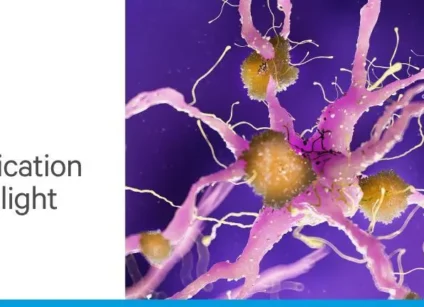
Alzheimer’s Awareness Month: What Makes Some Neurons More Vulnerable?
In this blog post, we will go over recent research on selective neurodegeneration in Alzheimer's disease.

Vector Laboratories’ blog provides a wealth of information on immunohistochemistry (IHC), immunofluorescence (IF), and related life science research topics.
In this blog post, we will go over recent research on selective neurodegeneration in Alzheimer's disease.
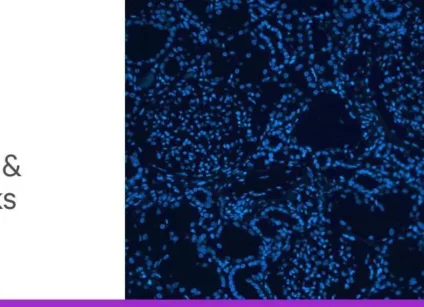
This blog will discuss some miscellaneous factors to focus on when an IHC or IF protocol performs unexpectedly.
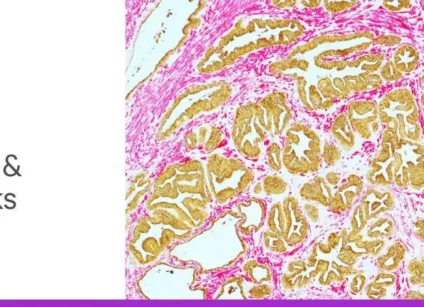
One pain for IHC and IF staining can be the lack of positive staining on your tissue sections. In this blog post, we will offer tips and tricks for overcoming the absence of positive staining... Read more
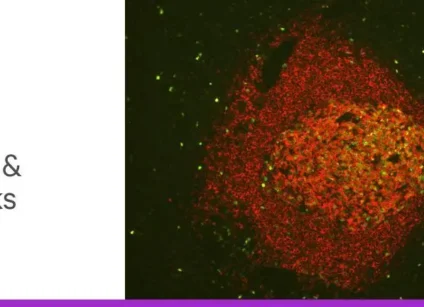
In this post we will discuss common sources of background staining and offer tips and tricks for resolving these issues.
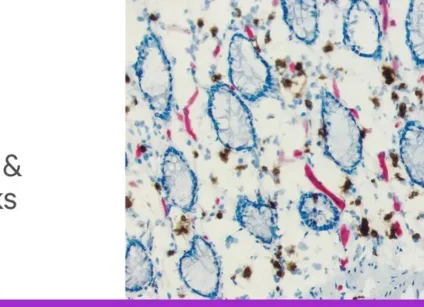
Identifying sources of non-specific staining is crucial for determining potential solutions to improve your staining results. This blog post will briefly walk you through commonly encountered sources of non-specific staining in IHC and IF applications.
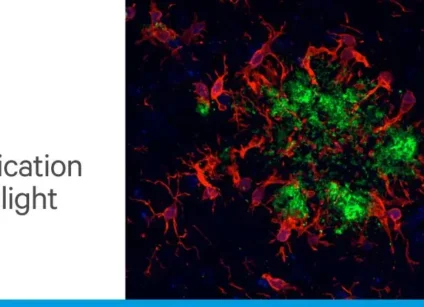
Learn about the impact of IL-17 accumulation on cognitive impairment in this blog post for Alzheimer's Awareness Month.
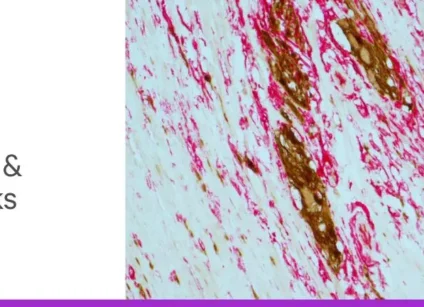
Check out this innovative article about cancer research to learn how immunohistochemistry is helping scientists improve diagnostics, identify new therapeutic targets, and boost surgical outcomes.
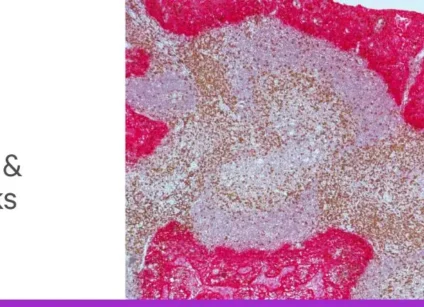
You spend a lot of time collecting and preparing your tissue samples. Learn tips and tricks to ensure those samples are evenly stained and retained on your slides.
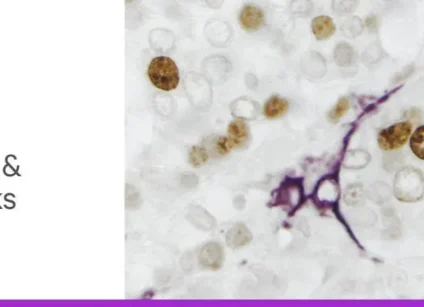
Enhancing the signal-to-noise ratio is essential for obtaining viable data. Choosing the appropriate immunohistochemistry detection system can help.
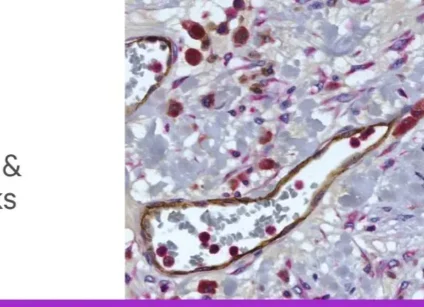
We are back with more multiplex immunohistochemistry tips to help you discover how double- and triple-staining can move your research forward.