Molecular Weight 71 | |
Extinction Coefficient 0.76 | |
Inhibiting or Eluting Sugar Chitin Hydrolysate | |
Unit Size 2 mg | |
Storage Instructions 2-8 °C; for long term storage, aliquots may be stored frozen or preserved with 0.08% sodium azide in the recommended buffer and stored at 2-8 °C | |
Sugar Specificity Chitin oligomers, type 2 polyLacNAc, and
Type 2 LacdiNAc | |
Usage Summary Although many buffers can be employed for reconstituting this lectin, 10 mM HEPES buffered saline, pH 8.5, 0.1 mM CaCl2is recommended. | |
Applications Glycobiology | |
Conjugate Unconjugated |
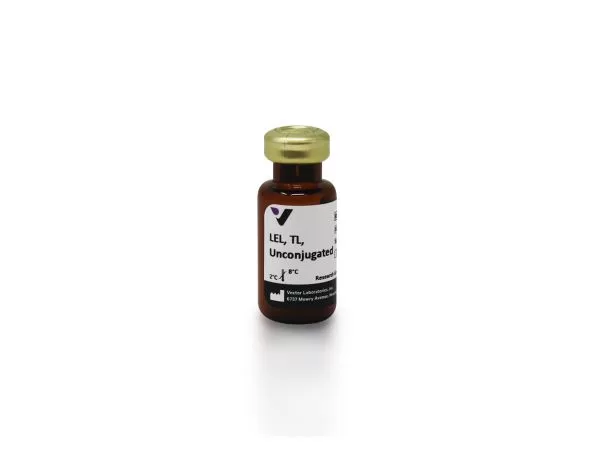
Lycopersicon Esculentum (Tomato) Lectin (LEL, TL), Unconjugated
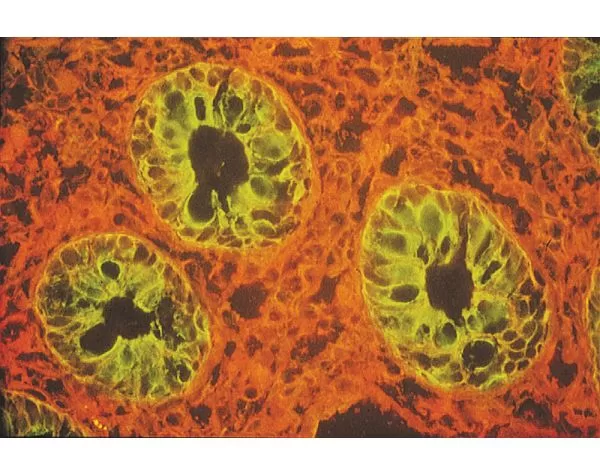
Tomato lectin (from Lycopersicon esculentum) is an effective marker of blood vessels and microglial cells in rodents. Conjugation of the lectin with a fluorophore facilitates fast, one-step detection and visualization using intravascular perfusion methods or direct application to tissue sections.
$213.00
| SKU | Unit Size | Price |
|---|---|---|
Select a unit size:
How do I request a quote or bulk pricing?
Technical Information Tomato lectin (from Lycopersicon esculentum) is a very stable single subunit glycoprotein containing about 50 percent arabinose and galactose and may form multimeric aggregates in solution. Tomato lectin, although sharing some specificities with potato lectin, Datura lectin, and wheat germ agglutinin, has been reported to be dissimilar in many respects. LEL binds well to glycophorin and Tamm-Horsfall glycoprotein and has been used effectively to label vascular endothelium in rodents. Inhibiting/Eluting Sugar: Chitin Hydrolysate |
 Powered by Bioz © 2023