
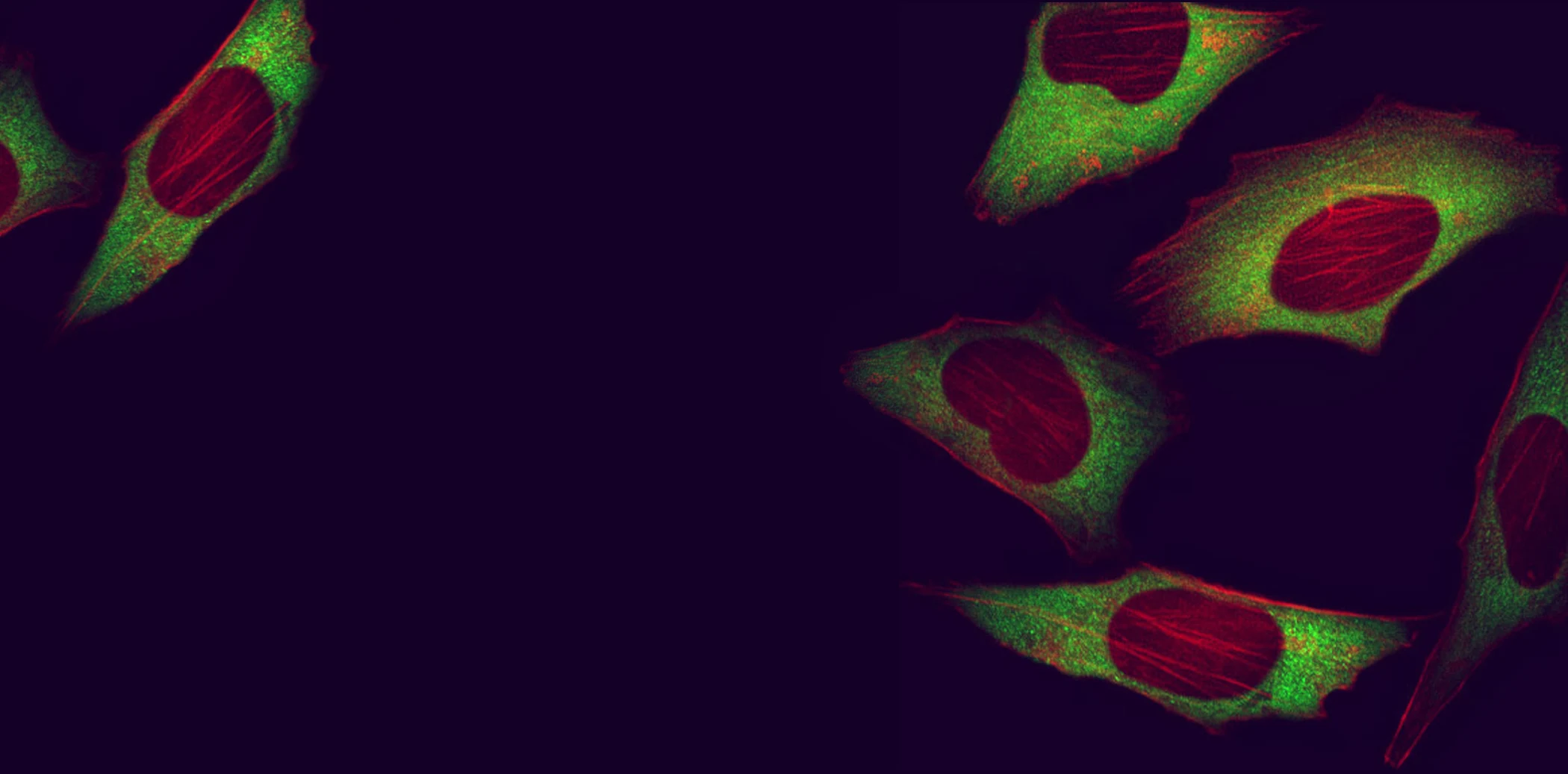
Primary Antibodies for Immunofluorescence and Immunohistochemistry
Specific. Sensitive. Reproducible.
Shop Primary Antibodies:
Antibody specificity and sensitivity are two main factors that influence successful outcomes for immunofluorescence (IF) and immunohistochemistry (IHC) applications. Favorable antibody performance in other assays does not always translate to IF and IHC applications and can result in undesirable effects, including producing weak or no signal, showing nonspecific background staining that interferes with analysis, or even causing false positive signals.
Vector Laboratories’ 45+ years of experience in providing trusted, end-to-end workflow solutions is further supported by the addition of validated and highly cited primary antibodies for use in IF and IHC applications.
Primary Antibodies for Immunofluorescence and Immunohistochemistry
Recombinant Antibody Advantages

Reproducibility
Recombinant antibodies are absolutely defined by amino acid sequence and are truly monoclonal, ensuring batch-to-batch reproducibility

High Purity
Our recombinant antibodies are expressed in a chemically defined, serum-free mammalian expression system, resulting in highly pure antibodies with low endotoxin levels

Supply Chain Security
Unlike hybridomas, recombinant antibodies are not susceptible to contamination, genetic drift or accidental loss. With a known sequence, they can always be reproduced for further use.
Flexibility
Recombinant antibodies can be engineered into new formats, extending antibody usefulness and enabling new possibilities for IHC use.
Recombinant antibodies have emerged as a superior alternative to hybridoma-derived antibodies for immunohistochemistry offering enhanced performance and reliability. In a 2018 paper, Bradbury et al. randomly selected six different hybridoma derived monoclonal antibodies and their recombinant antibody counterparts to use in IHC analysis. The results showed that the recombinant antibodies had greater specificity and sensitivity than the hybridoma derived versions.
Absolute Antibody, now part of Vector Laboratories, has extensive expertise in recombinant antibody technology and offers an extensive catalog of recombinant antibodies for IF and IHC applications. The product portfolio has been curated to include unique antibody formats unavailable in any other reagents catalog. Using recombinant technology, antibody clones can be engineered into a variety of formats to enhance experimental flexibility. Custom antibody sequencing, engineering, and expression services are available for researchers wishing to expand the capabilities of their own antibodies.
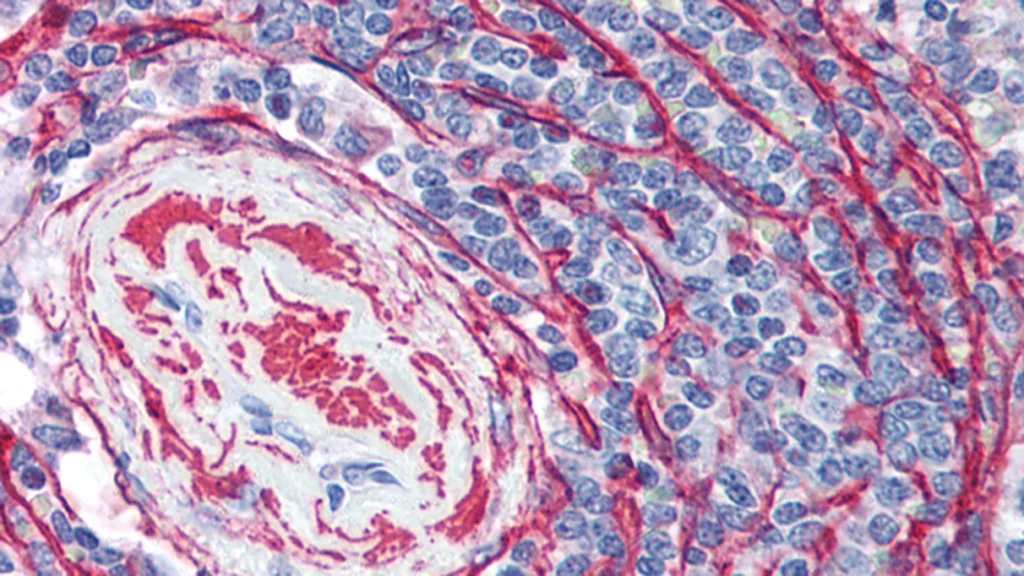
Immunohistochemistry Validated Antibodies
LSBio, a Vector Laboratories brand, was established as a molecular pathology company with a focus on protein localization in diseased human tissues by IHC. Through the experience gained by executing thousands of IHC studies and testing many thousands of antibodies, LSBio curates and validates high-quality antibodies designed to support reliable performance in IHC and research pathology.
LSBio IHC-plus products are specially curated and rigorously validated antibodies for IHC performance. The 15,000 antibodies in the collection have been tested at multiple concentrations on more than 20 normal human tissue types and multiple brain or cancer tissues, when appropriate, to deliver optimal performance in IHC studies on FFPE human tissues. IHC-plus antibodies are available for a wide variety of research areas and hundreds of different targets. PathPlus™ antibodies are selected from IHC-plus and demonstrate the highest specificity and least nonspecific staining on FFPE tissues. The 2,000 antibodies in the PathPlus collection focus on the detection of high-value cancer and neuroscience targets.
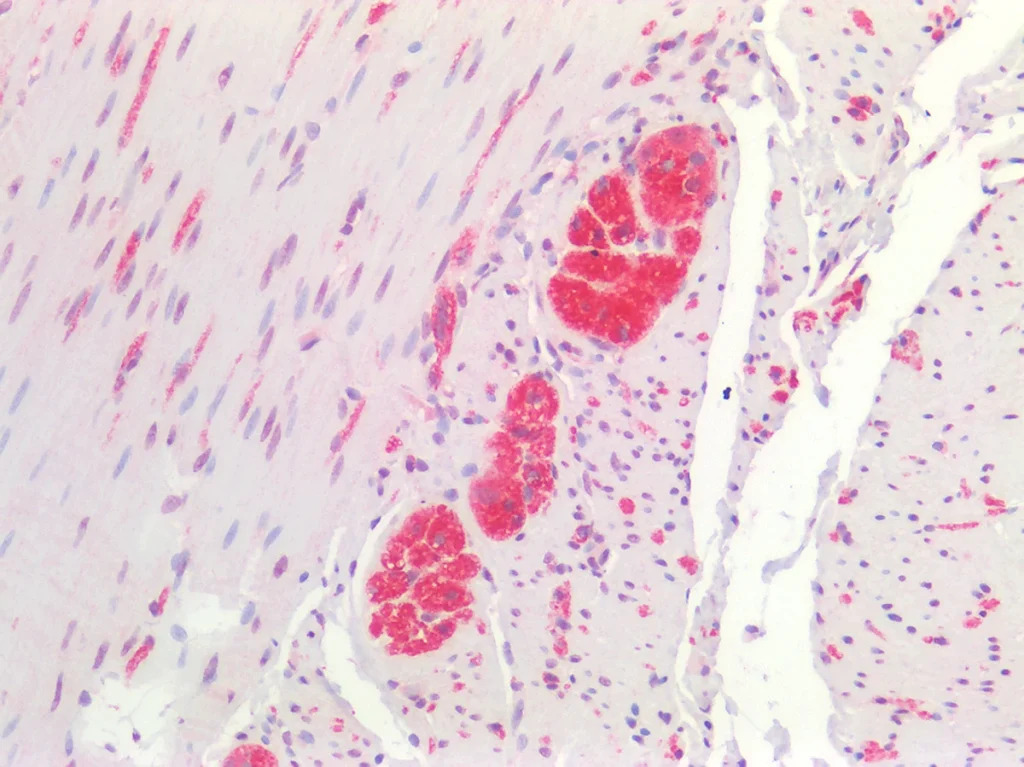
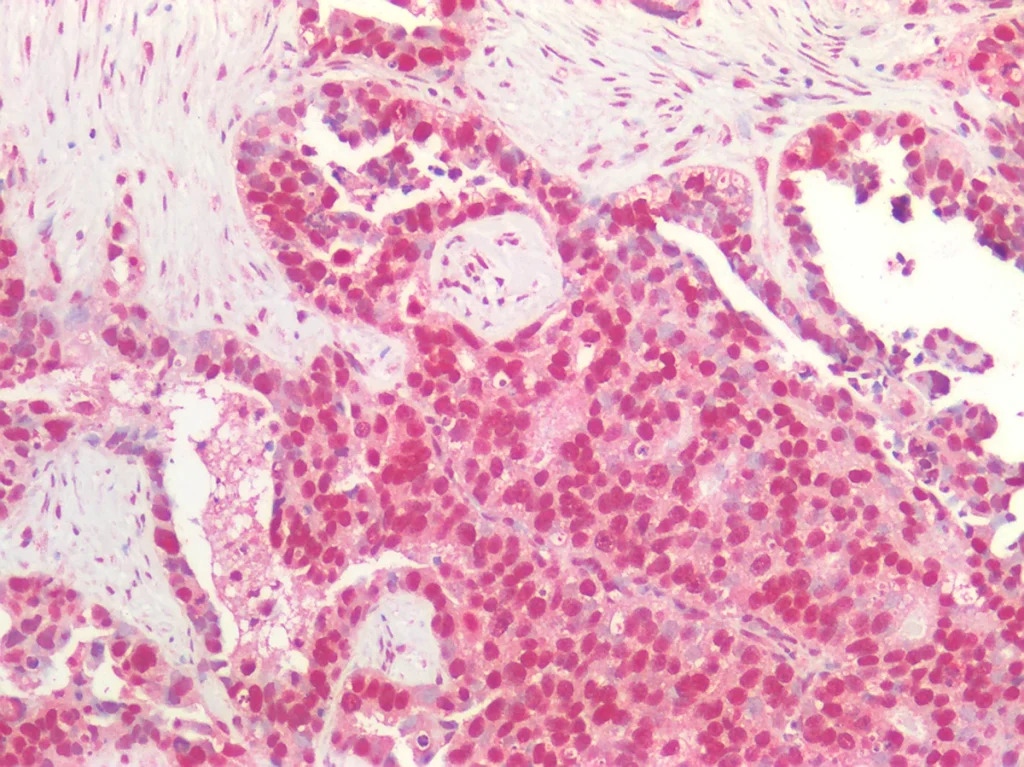
Primary Antibodies for Unique Targets and Specialized Applications
Vector Laboratories offers a comprehensive portfolio of primary antibodies for immunohistochemistry (IHC) and immunofluorescence (IF) workflows, including access to specialized products. From highly cited antibodies against dsRNA and BrdU, to an extensive collection of goat polyclonal antibodies and exclusive institution derived reagents, our catalog has been curated to provide tested and trusted solutions for IF and IHC applications.
SCICONS® dsRNA Antibodies
SCICONS mouse anti-dsRNA antibodies are a highly cited offering used for the detection of dsRNA in immunofluorescence applications. These antibodies have been widely applied to study the viral life cycle and anti-viral responses, as well as used as a diagnostic tool to detect whether an unknown pathogen is bacterial or viral.
Cell Proliferation Antibodies
BrdU, or 5-bromo-2′-deoxyuridine, is a synthetic nucleoside analog that is commonly used in molecular biology and cell biology research to label newly synthesized DNA. BrdU detection antibodies and assay kits are available for streamlined non-isotopic analysis of cell proliferation.
Cell Proliferation Antibodies
BrdU, or 5-bromo-2′-deoxyuridine, is a synthetic nucleoside analog that is commonly used in molecular biology and cell biology research to label newly synthesized DNA. BrdU detection antibodies and assay kits are available for streamlined non-isotopic analysis of cell proliferation.Step-by-step guide for selecting the best reagents for your immunohistochemistry workflow.
Exclusive Institution-Derived Antibodies
Our portfolio includes a unique selection of antibodies developed by leading research institutions worldwide, providing the global scientific community with access to reagents not commercially available elsewhere. These institutionally derived antibodies have extensive publication records, highlighting their proven performance and reliability in specialized IF and IHC applications.
Selecting the optimal primary antibody is crucial for successful and reproducible IF and IHC analysis.
To simplify the process, Vector Laboratories provides a comprehensive collection of antibodies against thousands of targets, including recombinant, IHC validated, and specialty antibodies. These antibodies ensure reproducibility and specificity for the most clinically relevant targets, so you can focus on what matters most—the science.