
Advancing Colorectal Cancer Research with Biomarker-Driven Tools
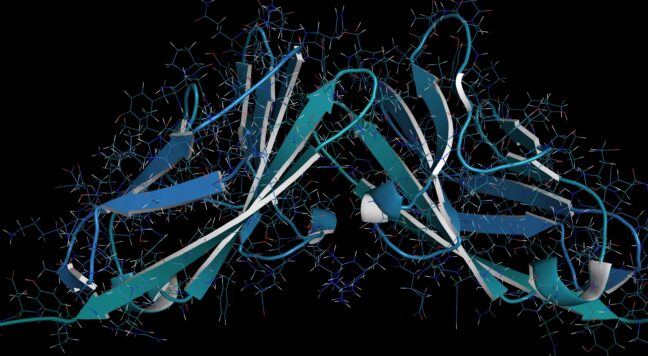
March marks Colorectal Cancer Awareness Month, a reminder of both the progress made and the gaps that remain in understanding Colorectal Cancer (CRC). Despite advances in screening and treatment, CRC remains one of the leading causes of cancer-related mortality worldwide. From glycoproteins and metabolic enzymes to DNA repair proteins and signaling receptors, CRC biomarkers are central to research, diagnostics, and therapeutic development. Vector Laboratories and our sister companies support this work with a portfolio of antibodies, lectins, and assay solutions designed to help researchers interrogate these targets with confidence across tissue, serum, and cell-based systems.
Colon Cancer Biomarkers in this Article:
- CEA (Carcinoembryonic Antigen)
- CA 19-9 (Carbohydrate Antigen 19-9)
- M2-PK (M2-Pyruvate Kinase)
- MMR Proteins
- HER2 (Human Epidermal Growth Factor Receptor 2)
CEA (Carcinoembryonic Antigen)
Carcinoembryonic Antigen (CEA), particularly the protein CEACAM5, belongs to a family of cell adhesion molecules frequently overexpressed in colorectal tumors. These glycoproteins are especially abundant in metastatic disease, making them valuable targets for tumor detection and characterization [1, 2].
CEA expression has been shown to correlate with tumor stage, with particularly elevated levels in well-differentiated adenocarcinomas compared with early-stage tumors [3]. Because of this stage-dependent expression, CEA remains one of the most widely used biomarkers in CRC monitoring.
Featured CEA Antibodies and Lectins
Recombinant Anti-CEA Antibodies
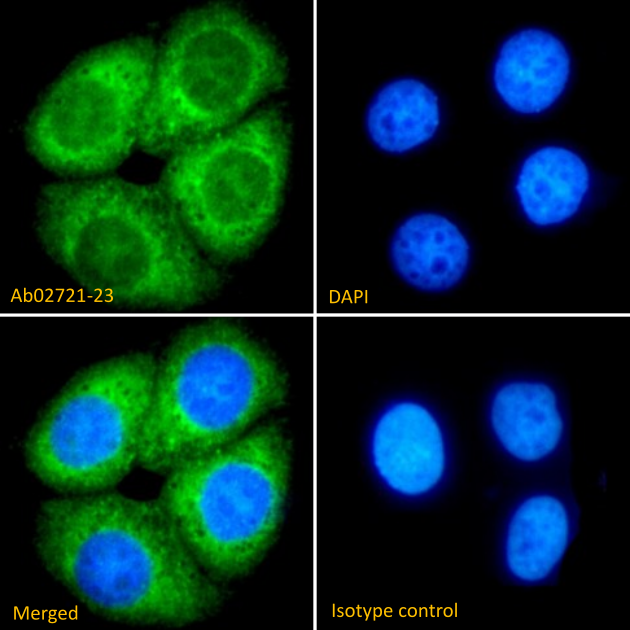
Absolute Antibody, a Vector Laboratories company, is a pioneer in recombinant antibody technology and offers several recombinant antibodies for CEA detection and therapeutic development. The recombinant anti-CEA clone CH1A1A (2F1, CH1A1A-2F1) (Ab02721) is available in a variety of species, subtypes, and formats like Fc silencing to reduce any off-target detection. This antibody has been used in published studies for ELISA, flow cytometry, and immunohistochemistry (IHC) applications.
Mouse Anti-CEA Antibody
The monoclonal PARLAM 4 anti-CEA antibody clone is available from Nordic-MUbio and Exalpha, Vector Laboratories companies. This mouse IgG1 antibody has been used in flow cytometry (FC), immunocyotchemistry (ICC), IHC in frozen and paraffin embedded tissues, and western blotting (WB) applications.
Glysite™ Explorer in situ PLA Glycan Detection Kit and Lectins
The Glysite™ Explorer in situ PLA Glycan Detection Kit combines Glysite™ Explorer Lectins with isPLA technology to spatially detect protein glycosylation. Glysite Explorer empowers colon carcinoma research by revealing glycosylation patterns within spatial context. Read our article “Revisiting Colon Cancer Metastasis Through a Glycobiology Lens” for more information.
CA 19-9 (Carbohydrate Antigen 19-9)
Carbohydrate Antigen 19-9 (CA 19-9) is a tetrasaccharide carbohydrate antigen known as sialyl-Lewis A, a glycan structure frequently associated with tumor cell adhesion and metastasis, and is often elevated alongside CEA in advanced colorectal tumors [2, 3].
Although CA 19-9 is most commonly linked with pancreatic cancer, it can also be elevated in certain colorectal cancers, particularly in advanced or metastatic disease. Studies have shown that increased serum CA 19-9 levels may correlate with the presence and abundance of circulating tumor cells in metastatic CRC [4].
Featured Anti-CA 19-9 Antibody
IHC‑plus™ Anti‑Human Sialylated Lewis a / CA 19‑9 Antibody
As part of the IHC-plus™ collection from LSBio, a Vector Laboratories company, this monoclonal mouse antibody has been validated for IHC performance on 20 types of paraffin-embedded human tissues.
M2-PK (M2-Pyruvate Kinase)
Pyruvate Kinase M2 (M2-PK) represents a tumor-associated isoform of pyruvate kinase that plays a central role in cancer metabolism. This metabolic shift—often referred to as the Warburg Effect—enables rapid energy production to support uncontrolled cell proliferation [5].
M2-PK has gained attention as a non-invasive biomarker, detectable in stool or plasma and indicative of tumor activity. For researchers, it offers a way to connect metabolic changes with disease presence and progression, particularly in early detection and screening contexts.
Featured M2-PK Antibody
IHC‑plus™ Polyclonal Goat Anti‑Rabbit PKM / Pyruvate Kinase Antibody
This polyclonal goat anti-rabbit antibody is reactive to both rabbit and human pyruvate kinase and has been validated for optimal performance in IHC, ELISA, immunoprecipitation (IP), and WB.
MMR Proteins
The mismatch repair proteins—MLH1, MSH2, MSH6, and PMS2—sit at the heart of genomic stability. When these proteins are lost or dysfunctional, the result is Microsatellite Instability (MSI), a defining feature of a subset of colorectal cancers.
Among these, MLH1 plays a central role in coordinating DNA mismatch repair, and its loss of function is one of the most common drivers of MSI in colorectal tumors [6]. This loss can occur through inherited mutations—frequently associated with Lynch Syndrome—followed by a secondary somatic “hit” [7], or through epigenetic silencing such as promoter hypermethylation in CIMP tumors [8]. As a result, MLH1 expression is often absent in specific CRC subtypes, making it a key marker in immunohistochemical workflows aimed at tumor classification [9].
MSH2 and MSH6 function together in recognizing and initiating repair of mismatched DNA, and disruptions in either protein similarly contribute to MSI and tumorigenesis. Germline mutations in MSH2 are a major cause of Lynch syndrome [9], where loss of the remaining functional allele drives widespread genomic instability and tumor development [10]. MSH6 is also implicated in mismatch repair of replication-associated errors, and both inherited and somatic mutations in this gene contribute to colorectal cancer and MSI [11, 12]. In both cases, loss of protein expression—detected through genetic testing or IHC—supports tumor subtyping and diagnosis [12].
Together, evaluating the status of these MMR proteins enables more precise classification of colorectal cancers and supports research into prognosis, hereditary risk, and therapeutic response.
Featured Anti-MMR Protein Antibodies
IHC‑plus™ Monoclonal Mouse Anti‑Human MLH1 Antibody
This antibody has been validated for ELISA, IF, IHC, and WB, and was tested on 20 paraffin-embedded human tissues.
IHC‑plus™ Polyclonal Rabbit Anti‑Human MSH2 Antibody
This antibody has been validated for IHC and WB, and was tested on 20 paraffin-embedded human tissues.
IHC‑plus™ Monoclonal Mouse Anti‑Human MSH6 Antibody
This antibody has been validated for ELISA, IHC, and WB applications, and was tested on 20 paraffin-embedded human tissues.
HER2 (Human Epidermal Growth Factor Receptor 2)
ERBB2 (HER2) is a receptor tyrosine kinase involved in regulating cell growth and survival through pathways such as MAPK and PI3K/AKT. In colorectal cancer, HER2 becomes relevant when amplified or overexpressed, contributing to sustained proliferative signaling in a subset of tumors.
This alteration is most commonly observed in metastatic, KRAS/NRAS wild-type CRC, where HER2 status can help define molecular subgroups and inform therapeutic strategies. While not used for early detection, it is an important marker in research focused on tumor signaling, treatment response, and targeted therapy development [13].
Featured Anti-HER2 Antibodies and ELISA Kits
Recombinant Anti-erbB-2 (Her-2/neu) [4D5-8 (trastuzumab)]
This recombinant version of the anti-HER2 clone 4D5-8 is structurally identical to the therapeutic trastuzumab and is available in a variety of species, subtypes, and formats like Fc silencing to reduce any off-target detection and CONJUmAb™ formulation for improved conjugation. This antibody has been used in published studies for ELISA, FC, and IHC applications.
Goat Polyclonal Anti-ERBB2/HER2 Antibody
This polyclonal antibody from Everest biotech, a Vector Laboratories company, is purified from goat serum using affinity chromatography and is ideal for cost-effective recognition of multiple epitopes of the target protein. This anti-HER2 antibody has been tested in peptide ELISA, IHC, IF, and FC applications, with recommended concentrations available on the product page to streamline usage.
Mouse Anti-Neu-Oncogen (C-erb B2) Antibody
Ideal for electron microscopy, FC, IF, IHC in frozen and paraffin-embedded tissues, immunoprecipitation, and WB, this mouse IgG1 antibody empowers HER2 detection in a variety of applications.
Anti-HER2 ELISA Kits
We offer ELISA kits with all the reagents needed for confident detection of HER2 proteins in a variety of formats, including sandwich ELISAs, cell-based phosphorylation ELISAs, and more. Benefit from optimized protocols and formulations for convenient HER2 detection.
Enabling Deeper Insight into Colorectal Cancer Biology
As colorectal cancer research continues to shift toward precision approaches, the ability to accurately detect and characterize key biomarkers is more important than ever. From glycosylation and metabolism to DNA repair and signaling, each marker offers a different lens into disease biology—and a different opportunity for discovery.
Vector Laboratories’ portfolio is designed to support that exploration, providing researchers with reliable tools to move from observation to insight. Whether advancing basic research or developing the next generation of diagnostics and therapies, these solutions help bring clarity to the complexity of colorectal cancer.
For more information on research tools for colorectal cancer, explore IHC-validated antibodies against key colon cancer targets and learn more about recombinant antibodies against tumor markers.
References
- Bajenova, O., Chaika, N., Tolkunova, E., Davydov-Sinitsyn, A., Gapon, S., Thomas, P., & O’Brien, S. (2014). Carcinoembryonic antigen promotes colorectal cancer progression by targeting adherens junction complexes. Experimental cell research, 324(2), 115–123. https://doi.org/10.1016/j.yexcr.2014.04.007
- Polat, E., Duman, U., Duman, M., Atici, A. E., Reyhan, E., Dalgic, T., Bostanci, E. B., & Yol, S. (2014). Diagnostic value of preoperative serum carcinoembryonic antigen and carbohydrate antigen 19-9 in colorectal cancer. Current oncology (Toronto, Ont.), 21(1), e1–e7. https://doi.org/10.3747/co.21.1711
- Vukobrat-Bijedic, Z., Husic-Selimovic, A., Sofic, A., Bijedic, N., Bjelogrlic, I., Gogov, B., & Mehmedovic, A. (2013). Cancer Antigens (CEA and CA 19-9) as Markers of Advanced Stage of Colorectal Carcinoma. Medical archives (Sarajevo, Bosnia and Herzegovina), 67(6), 397–401. https://doi.org/10.5455/medarh.2013.67.397-401
- Zhao, B., Zhao, B., & Chen, F. (2022). Diagnostic value of serum carbohydrate antigen 19-9 in pancreatic cancer: a systematic review and meta-analysis. European journal of gastroenterology & hepatology, 34(9), 891–904. https://doi.org/10.1097/MEG.0000000000002415
- Liberti, M. V., & Locasale, J. W. (2016). The Warburg Effect: How Does it Benefit Cancer Cells?. Trends in biochemical sciences, 41(3), 211–218. https://doi.org/10.1016/j.tibs.2015.12.001
- Papadopoulos, N., Nicolaides, N. C., Wei, Y. F., Ruben, S. M., Carter, K. C., Rosen, C. A., Haseltine, W. A., Fleischmann, R. D., Fraser, C. M., & Adams, M. D. (1994). Mutation of a mutL homolog in hereditary colon cancer. Science (New York, N.Y.), 263(5153), 1625–1629. https://doi.org/10.1126/science.8128251
- Ollikainen, M., Hannelius, U., Lindgren, C. M., Abdel-Rahman, W. M., Kere, J., & Peltomäki, P. (2007). Mechanisms of inactivation of MLH1 in hereditary nonpolyposis colorectal carcinoma: a novel approach. Oncogene, 26(31), 4541–4549. https://doi.org/10.1038/sj.onc.1210236
- Boland, C. R., & Goel, A. (2010). Microsatellite instability in colorectal cancer. Gastroenterology, 138(6), 2073–2087.e3. https://doi.org/10.1053/j.gastro.2009.12.064
- Cohen, S. A., & Leininger, A. (2014). The genetic basis of Lynch syndrome and its implications for clinical practice and risk management. The application of clinical genetics, 7, 147–158. https://doi.org/10.2147/TACG.S51483
- Lynch, H. T., Lynch, P. M., Lanspa, S. J., Snyder, C. L., Lynch, J. F., & Boland, C. R. (2009). Review of the Lynch syndrome: history, molecular genetics, screening, differential diagnosis, and medicolegal ramifications. Clinical genetics, 76(1), 1–18. https://doi.org/10.1111/j.1399-0004.2009.01230.x
- Houlleberghs, H., Goverde, A., Lusseveld, J., Dekker, M., Bruno, M. J., Menko, F. H., Mensenkamp, A. R., Spaander, M. C. W., Wagner, A., Hofstra, R. M. W., & Te Riele, H. (2017). Suspected Lynch syndrome associated MSH6 variants: A functional assay to determine their pathogenicity. PLoS genetics, 13(5), e1006765. https://doi.org/10.1371/journal.pgen.1006765
- Giglia, M. D., & Chu, D. I. (2016). Familial Colorectal Cancer: Understanding the Alphabet Soup. Clinics in colon and rectal surgery, 29(3), 185–195. https://doi.org/10.1055/s-0036-1584290
- Ahcene Djaballah, S., Daniel, F., Milani, A., Ricagno, G., & Lonardi, S. (2022). HER2 in Colorectal Cancer: The Long and Winding Road From Negative Predictive Factor to Positive Actionable Target. American Society of Clinical Oncology educational book. American Society of Clinical Oncology. Annual Meeting, 42, 1–14. https://doi.org/10.1200/EDBK_351354