Detection Enzyme Peroxidase | |
Format Ready-to-Use | |
Isolation Technology Micropolymer Reagents | |
Unit Size 1 Kit | |
Applications Immunohistochemistry / Immunocytochemistry, In situ hybridization, ELISAs | |
Target Species Universal (Mouse/Rabbit) | |
Conjugate Micropolymer HRP | |
Platform Micropolymer Reagents |
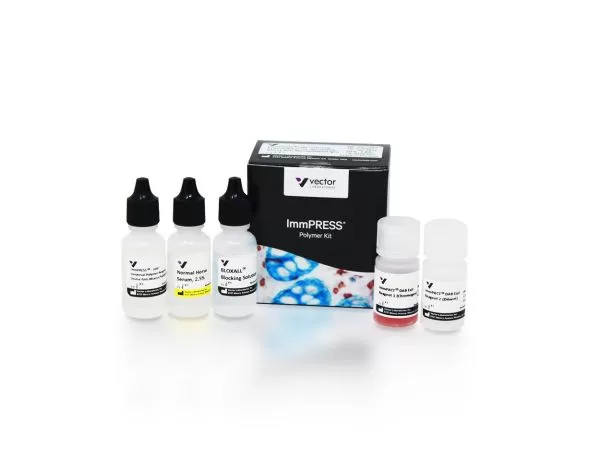
ImmPRESS HRP Universal (Horse Anti-Mouse/Rabbit IgG) PLUS Polymer Kit, Peroxidase
The ImmPRESS polymerized reporter enzyme staining system uses novel conjugation and micropolymer chemistries to create a highly sensitive, ready-to-use, one-step detection system. The Inclusion of BLOXALL® endogenous enzyme quenching solution and ImmPACT® DAB EqV substrate in the PLUS kit provides added convenience with optimized, matched reagents in one product.
Features:
• High sensitivity and low background
• Enhanced accessibility to nuclear and membrane antigens
• Ready-to-use in a convenient dropper bottle
• Shorter assay time
• Simplified multiple labeling
• Designed for use with both rabbit and mouse primary antibodies
The ImmPRESS (15 ml) Kit will stain approximately 75-150 sections.
Note: This polymer detection kit should not be used to stain tissues from rodents or rabbits due to its reactivity with IgG present in the tissues of these species.
$302.00
| SKU | Unit Size | Price |
|---|---|---|
Select a unit size:
How do I request a quote or bulk pricing?
Kit Components
|
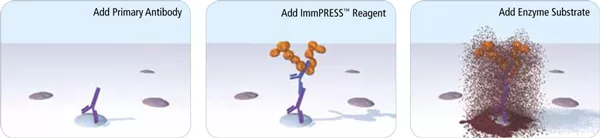
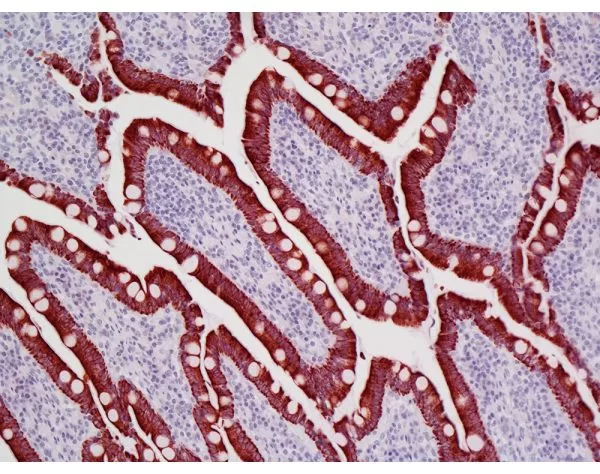
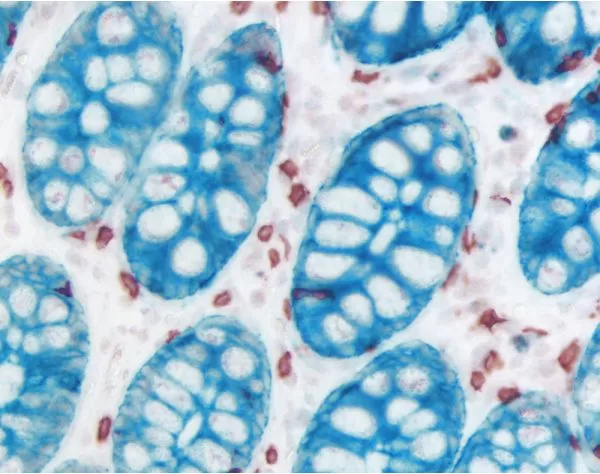
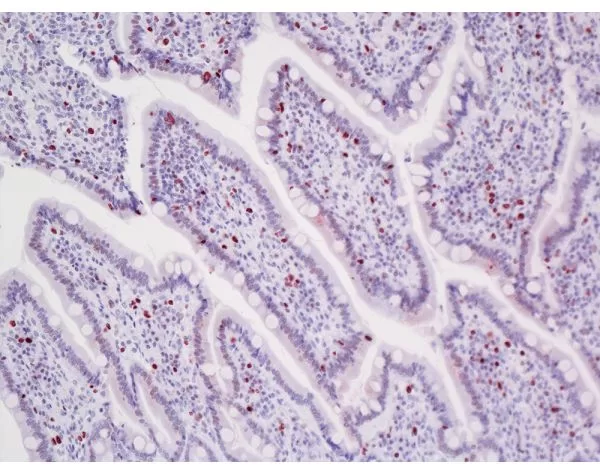
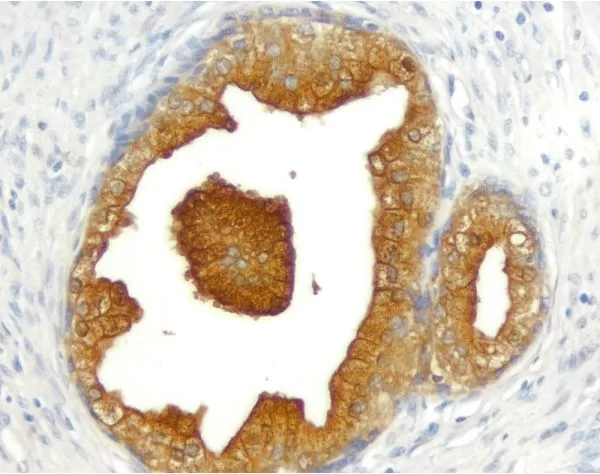
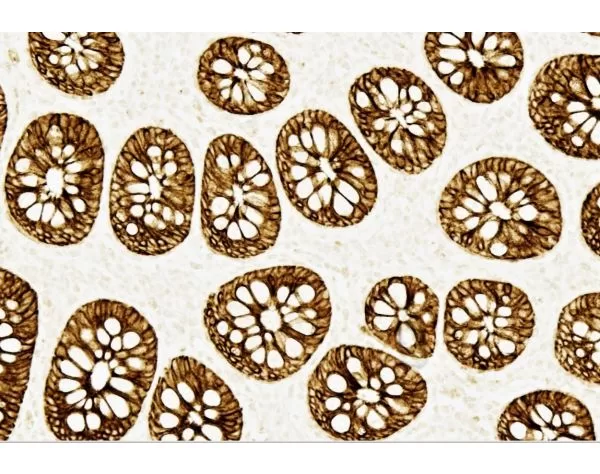
Technical Information The peroxidase micropolymers of the ImmPRESS HRP polymer reagent limit steric interference and provide enhanced accessibility to the target, avoiding the disadvantages of other polymer systems that use large dextrans or other macromolecules as backbones. The result is crisp, strong staining of antibody targets, especially nuclear and membrane antigens (such as Ki67, estrogen receptor, bcl-2, CD3, CD8 and CD10) and greater sensitivity than other polymer systems. Staining ProcedureThe staining procedure is simple as shown in the diagram below. Following a blocking step with the diluted normal horse serum, sections are incubated with primary antibody. After a brief wash, the appropriate ImmPRESS Reagent is added to the sections and incubated for 30 minutes. Sections are again rinsed and the slides are developed with the peroxidase substrate of choice.
Consider Species Cross-Reactivity When choosing the optimal detection system for your application, it is important to consider not only the species of the primary antibody but also the species of the tissue. If the species of the primary antibody and the species of the tissue are closely related (e.g. rat and mouse), the secondary antibody may bind to endogenous IgG in the tissue section leading to background. The following options minimize background staining in these instances:
Product review on Biocompare.com. |